
How Often Should You Clean Your Home?
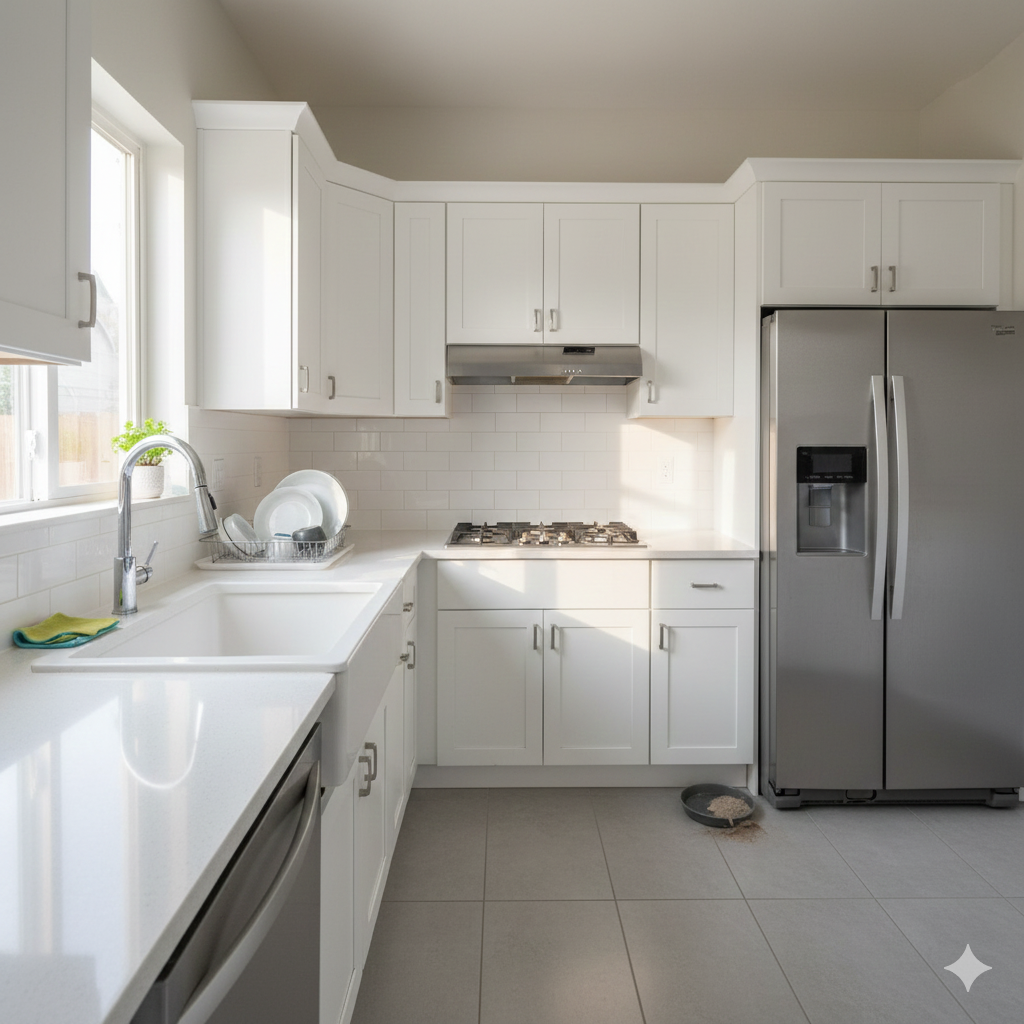
How often you clean your home depends on the area, household size, and lifestyle. High-traffic spaces like the kitchen and bathrooms need attention weekly to stay sanitary and pleasant. Kitchens host food preparation and spills; wipe counters and stovetops daily, clean the sink and sweep the floor every few days, and deep-clean appliances, backsplashes, and cabinets monthly to prevent grime and odors. Bathrooms accumulate moisture and bacteria, so disinfect toilets, sinks, and shower surfaces weekly and launder bath mats, towels, and shower curtains regularly to reduce mold and mildew.
Bedrooms and living areas benefit from a mix of daily tidying and weekly cleaning. Make beds, put away clutter, and ventilate rooms each day; vacuum or sweep floors, dust surfaces, wipe down frequently touched items, and change bedding once a week. For homes with pets or allergy sufferers, vacuuming and dusting should be more frequent—two to three times weekly—to control hair, dander, and allergens.
Floors and carpets require both routine and periodic care. Sweep or vacuum high-traffic zones several times per week, spot-clean spills promptly, and schedule a thorough carpet cleaning or floor polishing every six to twelve months, depending on wear and material. Windows and blinds typically need seasonal attention—clean windows twice a year and dust or wipe blinds and window sills monthly to maintain light and air quality.
Deep-clean tasks like oven degreasing, curtain laundering, baseboard wiping, and decluttering storage areas can be done seasonally or as needed. Tailor the schedule to specific needs: households with young children, frequent guests, or heavy cooking will need more frequent cleaning; single-occupant or minimally used homes may manage with less. Establishing a simple weekly checklist and dividing tasks into daily, weekly, and monthly routines makes upkeep manageable and prevents build-up. Consistency keeps your living space healthier, more comfortable, and easier to maintain over time.
